






SPF in Winters & Why You Need Sunscreen On Cloudy Days

If there’s one skincare step people conveniently forget once the temperature drops, it’s sunscreen. The sunlight feels gentler, woolen takes over our wardrobes, days seem gloomier, and we assume if it’s cold and gloomy outside, how much damage can the sun really do, right?
Well… that’s where most people get it wrong.
The sun never takes a holiday, and its UV rays don’t magically disappear just because you’re cold, wrapped in layers, or standing under a cloudy sky.
If anything, winter makes your skin more vulnerable, and sunscreen is the shield it desperately needs.
Let’s break it all down in the simplest, most real way possible.
Why Most People Skip Sunscreen in Winter and Why It’s Wrong
You’ve probably had at least one of these thoughts:
“It’s cloudy, UV rays can’t reach me.”
“I’m indoors most of the time anyway.”
“It’s winter; sunburns don’t happen during this season .”
“My moisturiser has SPF, that’s enough.”
But here’s what science says:
Up to 80% of UV rays penetrate clouds.
UVA rays (the aging rays) remain constant all year round; even in December.
UV exposure happens through windows, phone/laptop screens, and even snow reflection.
Moisturiser with SPF is never a substitute for sunscreen.
So yes, your skin is still getting attacked, whether you feel the sun or not.
How the Sun Damages Skin Even in Winters
(The Real Breakdown)
Your skin encounters three major threats every winter:
UVA Rays: The Age Accelerators
-
Penetrate deep into the skin
-
Remain active year-round
-
Causes premature wrinkles, collagen breakdown, pigmentation, and sagging
-
Passes through windows, meaning you're exposed indoors, too
UVB Rays: The Burners
-
Responsible for tanning and sunburn
-
Stronger at high altitudes and in snowy areas
-
Reflect off ice, water, and snow
Blue Light: The Digital Culprit
-
Emitted from phones, laptops, tablets, TVs
-
Triggers pigmentation, weakens the barrier, and causes inflammation
-
Affects the skin even when you’re indoors the whole day.
Sunscreen isn’t just a UV shield anymore; it’s your defense against the sun, screens, and pollution combined.
This is why winter SPF is non-negotiable.
Winter Weather + No SPF = A Recipe for Skin Damage
Winter already weakens the skin barrier because of:
-
Cold air
-
Harsh winds
-
Low humidity
-
Indoor heaters
-
Hot showers
When you skip sunscreen on top of all that, you’re opening the door to:
- Faster collagen loss
- Early fine lines around the mouth + eyes
- Uneven skin tone as well as tan patches
- Dullness & texture issues
- Dark spots that won’t fade
- Moisture loss & weak skin barrier
Ironically, the season when your skin already struggles the most is the season when most people abandon SPF.
Who Needs Sunscreen in Winter?
- People with acne and hyperpigmentation
- Anyone using actives like retinol, AHA/BHA, niacinamide, or vitamin C
- Outdoor runners/gym-goers
- Office workers who are exposed to screens all day
- Travelers heading to mountains, snowy places, or beaches
If you fall into any of these groups, skipping SPF can reverse months of skincare progress.
What Happens When You Wear SPF Daily in Winter
Consistent sunscreen use can help you:
- Maintain collagen longer
- Prevent wrinkles & undereye aging
- Keep pigmentation under control
- Reduce dullness & improve texture
- Improve glow and skin tone
- Shield the skin barrier from environmental stressors
In simple words: your future skin depends on your SPF habits today.
How to Choose the Right Winter Sunscreen: A Quick Guide
Winter skincare is all about moisture + protection. So your sunscreen should:
- Be broad spectrum (UVA + UVB protection)
- Have SPF 50 or above
- Contain PA ++++ for maximum UVA defense
-
Include barrier-loving ingredients like ceramides, niacinamide, hyaluronic acid
- Feels moisturising, not drying, chalky, or tight
-
It is non-comedogenic and lightweight
Ideal Sunscreen Formulas for Winter:
-
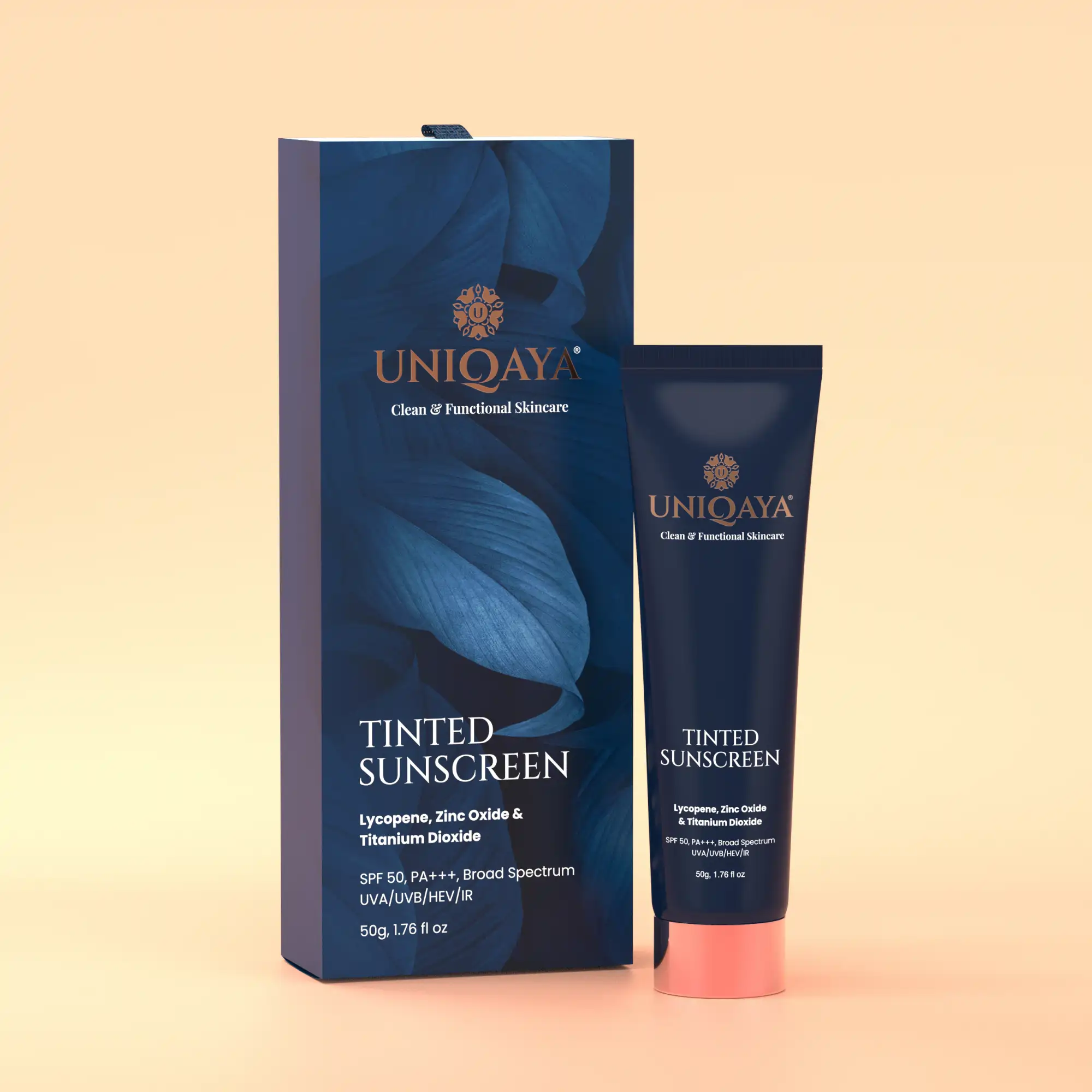
Tinted sunscreen (extra protection against blue light + evens skin tone)
-
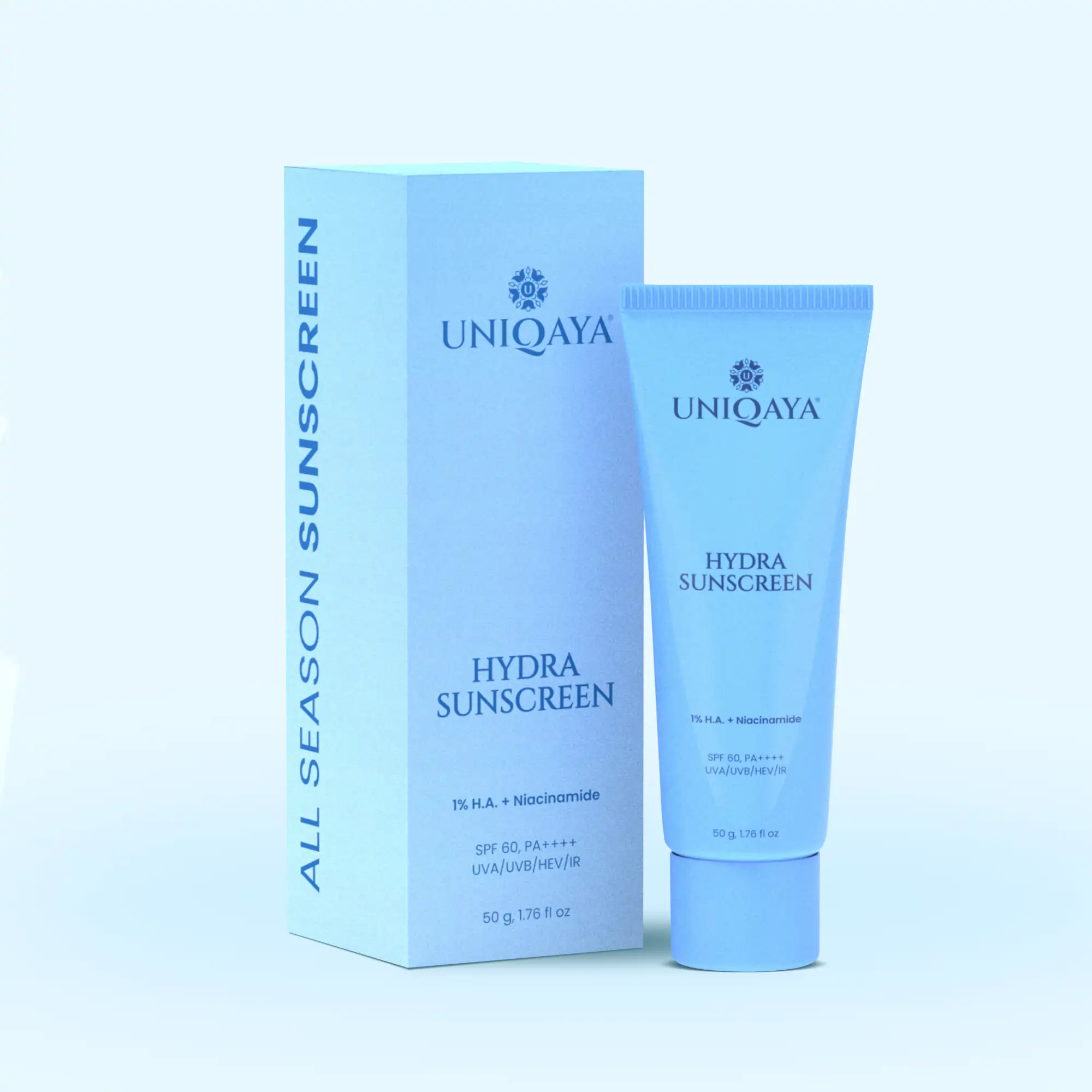
Hydrating sunscreen (for dry, flaky, barrier-impaired skin)
-
Gel-cream sunscreen (for normal to oily skin)
-
Hybrid sunscreen (physical + chemical, it’s the best of both worlds)
Moisturiser + SPF (Not the Same Thing)
A common misconception: “My moisturiser has SPF, so I’m covered.”
Reality:
|
Moisturiser with SPF |
Dedicated Sunscreen |
|
Lower protection |
Full protection |
|
Not enough quantity used |
Enough quantity to truly shield skin |
|
No blue light defense |
Better pollution & blue light shield |
|
Not long-lasting |
Long-lasting UV defense |
So for real skin protection: Moisturiser before Sunscreen (separate layers) = Best routine
How to Correctly Apply Sunscreen in Winter
(No Guessing, No Mistakes)
Use the two-finger rule:
Apply sunscreen from the tip to the base of two fingers; that’s the ideal amount for the face and neck.
When to reapply in winter:
-
Every 4 hours indoors
-
Every 2-3 hours outdoors
-
Immediately after sweating or towel-drying
Still Think You Don’t Need SPF in Winters? (Ask Yourself This)
Do you use a phone or a laptop?
Do you sit near a window?
Do you step outside during the day, even for 10-15 minutes?
Do you care about glowing skin and anti-aging results long-term?
If the answer is yes to even one of them, sunscreen is your best friend every single day.
Final Thoughts
Winter skincare is already a battle: dryness, tightness, dullness, cracking, itching, and sensitivity. Don’t make your skin fight UV damage on top of that.
Sunscreen isn’t just a “summer thing.”
It’s an everyday survival tool for your skin, no matter the weather.
If you want:
Soft, youthful, even-toned skin
Makeup that sits beautifully
Slower aging and stronger skin barrier
No pigmentation surprises in spring, then one habit matters more than anything else:
Wear sunscreen every single day, even in winter, even on cloudy days, even indoors.
Your skin will thank you years from now.
Leave a comment