







Winter Skincare - How to Keep Your Skin Soft, Supple, and Happy This Season

You know that moment where your skin is doing just fine, and then winter hits and suddenly everything's wrong? Your face feels tight. There's random flaking. Your favorite moisturizer that worked perfectly in September now just sits there doing nothing.
Yeah, me too.
The thing is, winter doesn't play fair with your skin. Between the freezing wind outside and the blast furnace heating inside, your skin's trying to cope with basically opposite extremes. And that invisible protective layer (your skin barrier) is taking the hit.
But here's what I've learned after years of battling winter skin: once you actually understand what's happening and why, you can fix it. And you don't need some complicated 10-step routine either. Just the right approach.
Why Winter Absolutely Wrecks Your Skin
So this is not just in your head. There's actual science behind why your skin freaks out when the temperature drops.
When it gets cold, the air literally holds less moisture. Like, significantly less. Your skin can't pull hydration from the environment the way it does in summer. Then you go inside where the heater's cranked up, and that dry heat just finishes the job by evaporating whatever moisture your skin had left.
What ends up happening is your skin barrier (which normally keeps the good stuff in and bad stuff out) starts breaking down. Moisture escapes faster. Your natural oils get depleted. And suddenly irritants that your skin would normally handle just fine are causing problems.
The result? That tight, uncomfortable feeling. Flaky patches that show up out of nowhere. Redness. Sometimes, even that weird thing where putting on moisturizer actually stings a little.
Your skin barrier's basically under siege. But the good news is it can totally recover with the right care.
What Your Skin Barrier Actually Does
Think of your skin barrier like a brick wall. The bricks are your actual skin cells, and the stuff holding them together is made of lipids. Things like ceramides, cholesterol, and fatty acids.
When that mortar's intact, water stays in and irritants stay out. Pretty straightforward.
But when winter (or harsh products, or over-washing) damages that mortar, tiny cracks form. Through those cracks, your skin loses moisture and lets in things that cause irritation, dryness, and sensitivity.
Here's what specifically messes it up in winter:
Cold air literally dehydrates your skin. Hot showers strip away protective oils (I know, they feel amazing though). Some cleansers disrupt the lipid balance. Exfoliating too much removes the protective layer when you need it most.
Your barrier doesn't need to be perfect. It just needs to be functional. When it is, your skin holds onto moisture, feels smooth, and has that natural glow that no highlighter can really replicate.
The Hydration Trick That Actually Works
Here's where a lot of people get confused: in winter, it's not just about adding more moisture. It's about keeping it from escaping.
There are basically three types of moisturizing ingredients. Hydrators (like hyaluronic acid) pull water into your skin. Emollients (like squalane) smooth out rough texture and soften. Occlusives (like beeswax) seal everything in.
You need all three working together, especially in winter.
Some ingredients I've found actually make a difference:
Hyaluronic Acid works like a moisture magnet. Ceramides rebuild that mortar I mentioned earlier. Squalane is lightweight but really effective at keeping skin supple. Glycerin is simple but pulls water right where you need it. Panthenol calms irritation while boosting hydration.
If your skin's really dry or flaky, try layering: toner, then serum, then moisturizer, then maybe an occlusive on top if needed. Each layer helps your skin actually absorb the moisture before you lock it in.
Stop Over Cleansing
This is something I got wrong for years. When my skin felt dry, I'd think it was dirty and wash it more. Which made everything much worse.
Your skin doesn't need to feel squeaky clean. That tight, "clean" feeling after washing? That's actually your barrier being stripped.
What to look for in a cleanser: cream or gel-based formulas, pH-balanced, hydrating ingredients.
What to avoid: Cleansers with sulfates, anything with a lot of alcohol.
If your face feels tight or weirdly shiny after washing, that's your sign to switch cleansers.
As for exfoliation, you don't have to stop completely. Just dial it way back. Once or twice a week max, and use gentle acids like lactic acid instead of scrubs. Always moisturize after.
The Heavy Hitters: Barrier Creams and Occlusives
Once you've got hydration in your skin, the next step is trapping it there.
This is where barrier creams and occlusives come in. They're basically a protective seal that locks in moisture and shields your skin from the harsh winter air.
Look for ingredients like shea butter, dimethicone, jojoba oil, or beeswax.
My overnight routine when my skin's really struggling looks like this. First, hydrating serum (hyaluronic acid or niacinamide). Then barrier repair cream with ceramides or squalane. On really dry spots, a thin layer of occlusive before bed.
Think of it like putting a blanket over your skin while it repairs overnight. I've honestly woken up with completely different skin after doing this consistently.
Don't Forget Environmental Protection
Most people only think about cold air damaging their skin in winter. But there's more happening.
Indoor heating, pollution and even the blue light from your phone and computer. All of that creates oxidative stress that weakens your skin's defenses.
That's why antioxidants are kind of a secret weapon in winter.
Things that help: Vitamin E replenishes moisture and protects. Green Tea Extract fights free radicals and calms redness. Niacinamide strengthens the barrier and evens out tone. Resveratrol is underrated but keeps skin resilient.
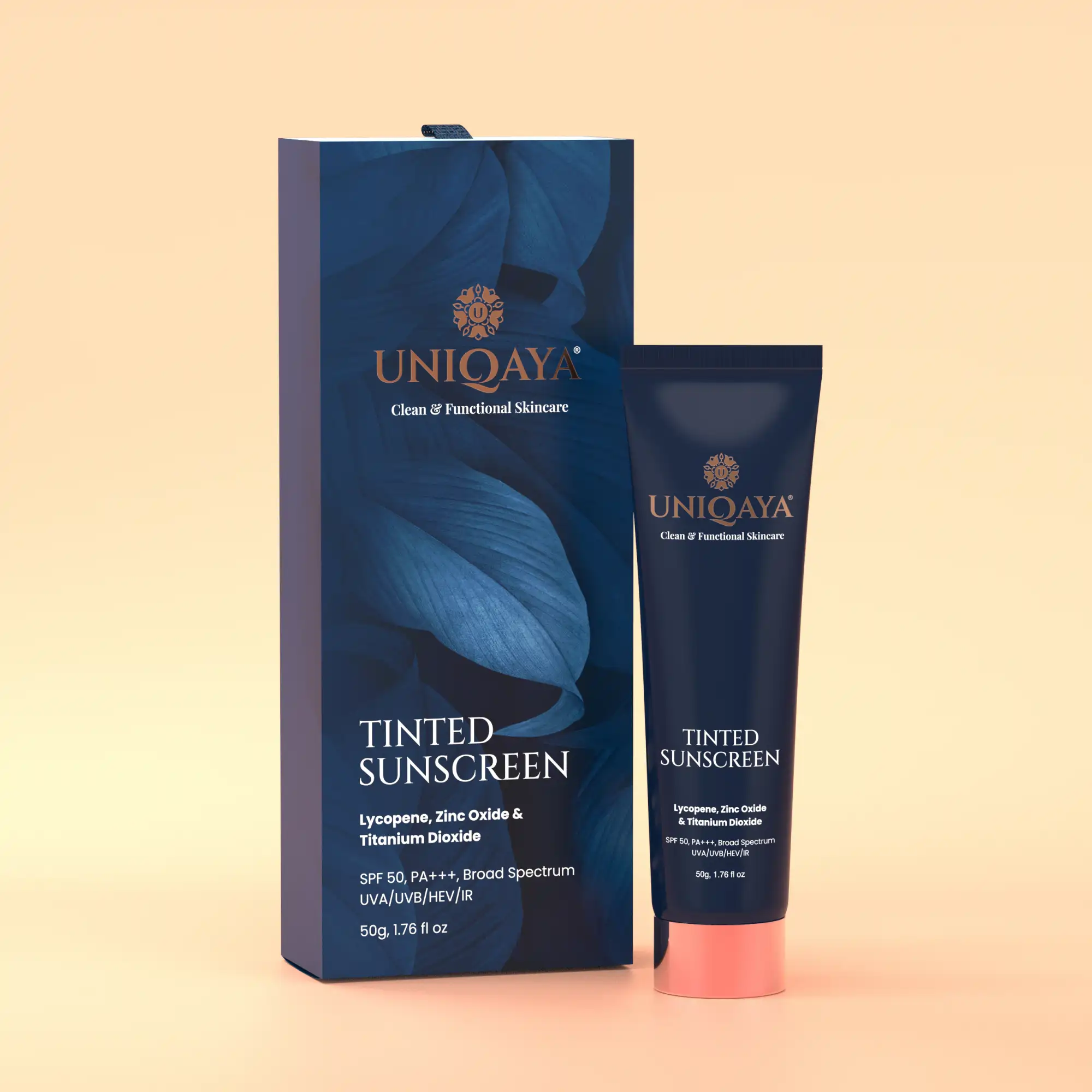
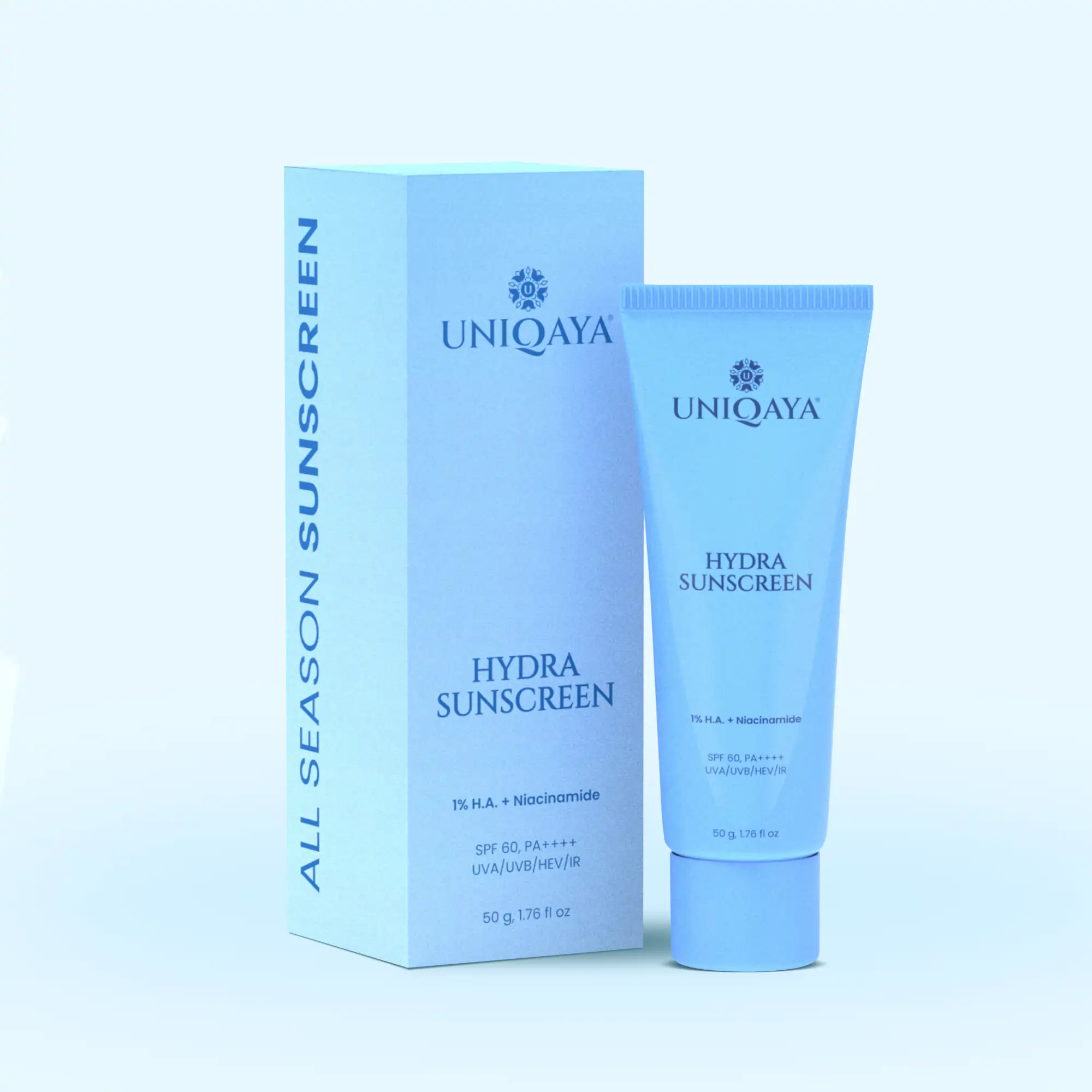
And yes, you still need SPF in winter. Up to 80% of UV rays get through clouds, which means photoaging and barrier damage keep happening year-round.
Quick things that help: Use broad-spectrum SPF 30 to 50 daily (even if you're inside). Get a humidifier for your bedroom (aim for 40 to 50% humidity). Don't sit right next to heaters because they suck moisture right out of the air.
What You Eat Actually Matters
I used to think skincare was all about what you put on your face. Turns out, what you eat has a pretty big impact, too.
Foods that help your skin barrier: Omega 3s (salmon, walnuts, flaxseeds) replenish your lipid layer. Vitamin C (oranges, bell peppers) boosts collagen and repair. Antioxidant-rich stuff (berries, spinach, green tea) reduces inflammation.
Also, keep drinking water even though you're not as thirsty in winter. I find warm herbal tea easier to drink when it's cold out. Your skin needs hydration from the inside too.
And honestly? Sleep and stress management matter more than people think. When you're stressed or sleep deprived, cortisol goes up, which breaks down collagen and slows barrier recovery. Aim for 7 to 8 hours and take breaks when you need them.
A Simple Winter Routine That Works
You don't need something complicated. Consistency is way more important than having 15 steps.
Morning routine: gentle cleanser, hydrating toner or essence, serum (hyaluronic acid or niacinamide), moisturizer with ceramides or squalane, SPF 30 to 50. Add a few drops of facial oil if you're extra dry.
Night routine: double cleanse if you wore sunscreen or makeup, hydrating serum, barrier cream, occlusive layer on dry spots if needed.
That's it. Simple, consistent, effective.
Mistakes to Watch Out For
Even people who know what they're doing fall into these traps.
Over-exfoliating weakens your barrier when it's already struggling. Hot showers feel amazing, but are terrible for your skin. Skipping SPF is a mistake because UV rays don't take winter off. Using summer products in winter doesn't work because they're usually not rich enough. Forgetting lips and hands is common, but these areas show damage first.
Pro tip: if your skin starts stinging or flaking, don't add more actives. Add more moisture.
The Bottom Line
Winter skincare really isn't about achieving some perfect glow. It's about keeping your skin healthy and strong.
Your skin barrier is your body's first line of defense, and winter challenges it more than any other season. But with consistent hydration, gentle care, and protection, you can absolutely keep your skin comfortable and calm no matter how nasty the weather gets.
Focus less on perfect skin and more on healthy skin. The kind that actually feels good, not just looks good in photos.
Because when your skin barrier's happy, everything else honestly just falls into place.
Leave a comment